
double pane glass panels
A conduit saddle pipe clamp is a type of fixture that is used in the construction and installation of electrical conduit systems. These clamps are designed to secure conduit pipes in place, providing support and stability to the overall system. The one-hole conduit saddle pipe clamp is a specific type of clamp that features a single mounting hole for easy installation. One of the key benefits of using a one-hole conduit saddle pipe clamp is its simplicity and ease of use. With just one mounting hole, these clamps can be quickly and easily installed onto various surfaces, making them ideal for a wide range of applications. Whether you are working on a residential, commercial, or industrial project, a one-hole conduit saddle pipe clamp can provide the support and security that you need. In addition to their ease of installation, one-hole conduit saddle pipe clamps are also known for their durability and strength. Made from high-quality materials such as galvanized steel or stainless steel, these clamps are designed to withstand the rigors of everyday use. This means that once installed, you can trust that your conduit pipes will remain securely in place, even in challenging environments. Another advantage of using a one-hole conduit saddle pipe clamp is its versatility Another advantage of using a one-hole conduit saddle pipe clamp is its versatility Another advantage of using a one-hole conduit saddle pipe clamp is its versatility Another advantage of using a one-hole conduit saddle pipe clamp is its versatility one hole conduit saddle pipe clamp . These clamps come in various sizes and configurations, allowing you to choose the right clamp for your specific needs. Whether you are installing PVC, EMT, or rigid conduit pipes, there is a one-hole conduit saddle pipe clamp that is perfect for the job. When it comes to installing conduit pipes, using a one-hole conduit saddle pipe clamp is a smart choice. Not only are these clamps easy to install and durable, but they also provide the support and stability that is necessary for a successful conduit system. Whether you are a professional contractor or a DIY enthusiast, a one-hole conduit saddle pipe clamp can help you get the job done right. In conclusion, the one-hole conduit saddle pipe clamp is an essential fixture for anyone working with conduit systems. With its ease of installation, durability, and versatility, this type of clamp provides the support and security needed to ensure a successful installation. Whether you are working on a small residential project or a large industrial installation, a one-hole conduit saddle pipe clamp is a reliable and effective solution.
about
double pane glass panels
Understanding the Types of V Blocks A Comprehensive Overview V blocks, also known as V-groove blocks, are pivotal tools in the field of machining, assembly, and manufacturing. Their fundamental purpose is to provide a stable and precise way to hold cylindrical or round objects during various operations, such as cutting, grinding, or welding. Characterized by their distinctive V-shape, these blocks come in various designs and materials, each tailored to specific industrial requirements. In this article, we will explore the different types of V blocks, examining their features, uses, and advantages. 1. Standard V Blocks The standard V blocks are perhaps the most commonly used type in workshops and manufacturing environments. Typically made from hardened steel, these blocks feature a simple rectangular body with one or two V-shaped grooves on the top. The grooves allow for accurate clamping of cylindrical workpieces, ensuring they remain stable during machining processes. The versatility and ease of use make standard V blocks an essential tool for machinists and assembly lines. 2. Magnetic V Blocks Magnetic V blocks incorporate powerful magnets into their design, which enhances their holding capability. These blocks are ideal for situations where fast and secure attachment is crucial, such as during inspection or machining operations. The magnetic feature allows the block to firmly grip onto ferromagnetic materials, providing a stable base without the need for clamps or additional securing equipment. Magnetic V blocks are especially useful in setups requiring frequent adjustment or repositioning of workpieces. 3 . Adjustable V Blocks For more complex machining tasks, adjustable V blocks offer an innovative solution. These blocks can be modified to accommodate various diameters and angles, making them highly versatile in their applications. They often come with movable arms or clamps that allow machinists to adjust the width of the V-groove, ensuring a snug fit for different workpiece sizes. This adaptability is particularly beneficial in custom machining scenarios, where standard sizes may not suffice. types of v block 4. Multi-V Blocks The multi-V block is a specialized type designed to hold multiple workpieces simultaneously. With several V grooves arranged along its surface, this block allows for efficient processing of multiple cylindrical items in one setup. This design is particularly advantageous in production environments where batch processing is common. By using a multi-V block, manufacturers can reduce setup time and enhance productivity, making them an excellent choice for high-volume machining operations. 5. Precision V Blocks Precision V blocks are crafted to meet stringent accuracy standards, often used in high-precision applications such as inspection and measurement. These blocks undergo rigorous calibration to ensure they maintain exact angles and dimensions. Made from materials like stainless steel or alloy steel, precision V blocks can withstand wear and maintain their dimensional integrity over time. Their reliability is crucial for quality control processes in industries such as aerospace, automotive, and medical devices. Conclusion In summary, V blocks serve as indispensable tools in various manufacturing and machining environments. With types ranging from standard and magnetic to adjustable, multi-V, and precision blocks, there is a solution for nearly every operational need. Selecting the appropriate V block depends on factors such as the type of workpiece, machining process, and required precision. By understanding the different types of V blocks and their specific applications, professionals in the manufacturing and machining industries can enhance their workflows, improve productivity, and ensure the accuracy of their operations. Whether for a small workshop or a large industrial facility, V blocks are essential components that contribute significantly to the efficiency and quality of work performed.
-

High quality industrial productsagement

High quality industrial products
View Details -

Meet the diverse needs of customers

Meet the diverse needs of customers
View Details -

Strict quality control

Strict quality control
View Details -

Top raw materials

Top raw materials
View Details -

Trusted supplier

Trusted supplier
View Details
Our application


news and information
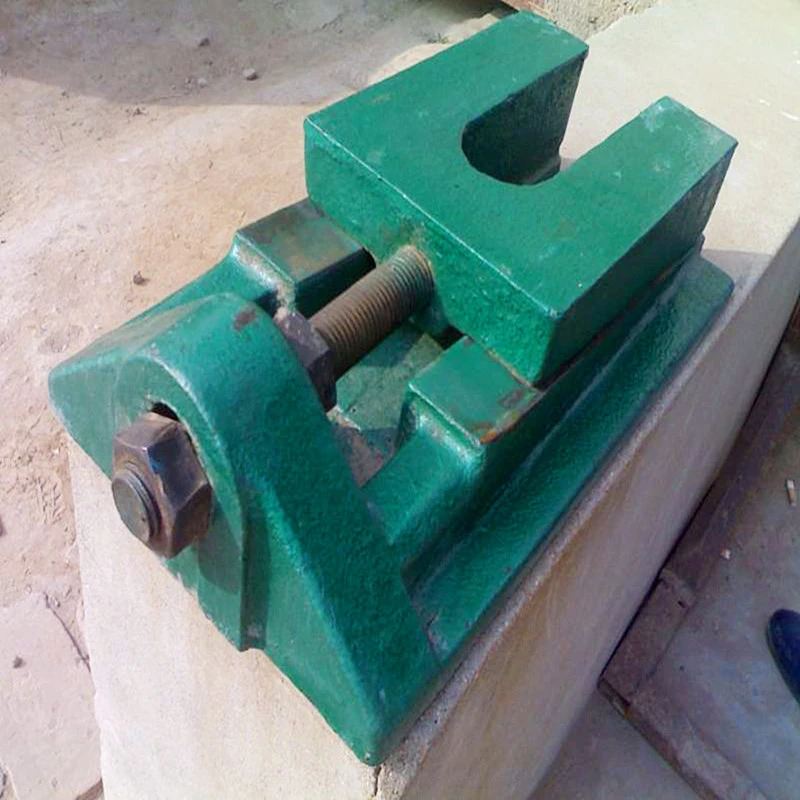
Valve manufacturing plant creating innovative products for industrial applications.
Valve Factory The Heart of the Manufacturing Process Valve factories play a crucial role in the man

Vérificateur anti-retour pour prévenir les refoulements dans les systèmes de canalisation
La Soupape Anti-retour Une Protection Essentielle dans les Systèmes Hydraulique La soupape anti-ret
Välineet tarkkuusmittaamiseen syvyysmittari 18-35 mm halkaisijalle
Dial bore gauge on yksi tärkeimmistä työkaluista tarkkuusmittauksessa teollisuudessa, erityisesti ku
 English